Featured
Monetary Consequences What You'll Pay for Bankruptcy Coun...
Everything about No-Cost Informational Can You Remove Col...
The Only Guide for Finding Support for Your Budgeting Aft...

Building a Personalized Path to Stability Things To Know ...
The Best Guide To What Debt Counseling Typically Cost
Table of Contents
That releases up money in the brief term, and you may have three to four years to save towards the settlement quantity. Really hazardous to credit report, largely as a result of missed repayments and a negative "cleared up" mark that can remain on your credit history report for as much as seven yearsMay be only alternative if other alternatives (debt combination, equilibrium transfer charge card, financial debt mercy) aren't possibleTypically needs a charge to the 3rd party, which can offset some or all of the savings from financial debt settlementMay help you avoid personal bankruptcy if you've missed out on numerous paymentsNot all lenders function with financial obligation negotiation companies Debt mercy may be ideal for you if you are experiencing an economic difficulty that makes it almost impossible to pay for your financial debt balances.
With a DMP, you make one monthly settlement to the credit score counseling agency. Those funds are after that distributed to financial institutions of your unsecured financial obligations, such as bank card and installment finances. The firm collaborates with your creditors to decrease interest rates or waive charges, but some creditors may refuse such giving ins.
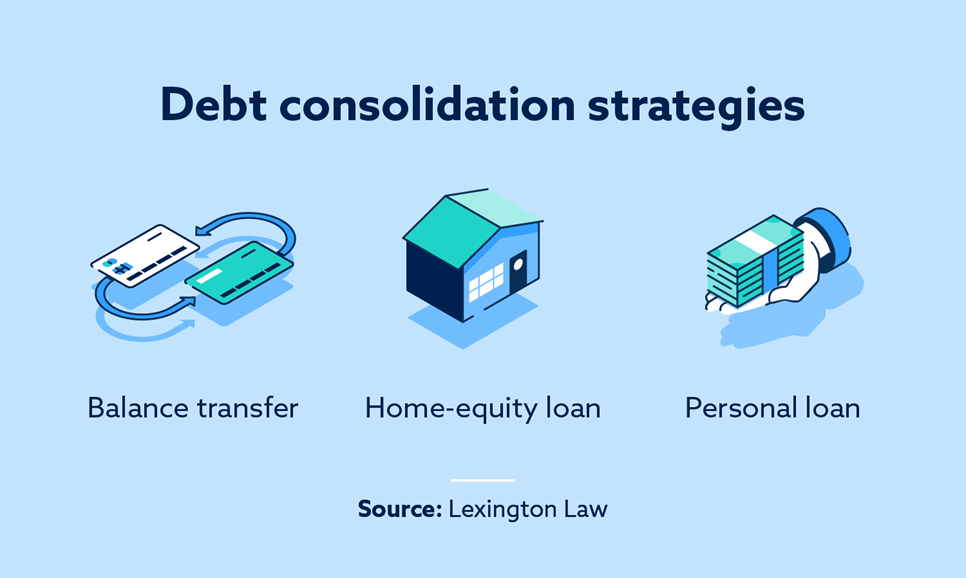
A financial debt combination loan combines your qualified financial debts right into one brand-new loan. It can help you pay down debt if you have the ability to secure a financing price that's less than the average price of the accounts you're settling. However, you should avoid acquiring financial debt on those newly cleared accounts or your debt might expand even greater.
These cards usually use a 0% interest introductory period of approximately 21 months. That provides you lots of time to remove or dramatically minimize your equilibrium while making interest-free repayments. For some people dealing with impossible debt, personal bankruptcy might be the only way to stop collection process and lawfully fix their debts.
Indicators on What's Coming for Debt Forgiveness Solutions You Should Know
You may require it if your lender or a collection firm ever tries to accumulate on the debt in the future. When a loan provider forgives $600 or even more, they are needed to send you Form 1099-C.
Financial debt mercy or settlement usually hurts your credit score. Anytime you clear up a debt for much less than you owe, it might appear as "settled" on your credit rating report and impact your credit scores rating for 7 years from the day of negotiation. Your debt can additionally go down considerably in the months bring about the forgiveness if you drop behind on payments.
The Best Strategy To Use For Why Financial counseling for veterans in North Carolina who feel trapped by credit card debt Matters
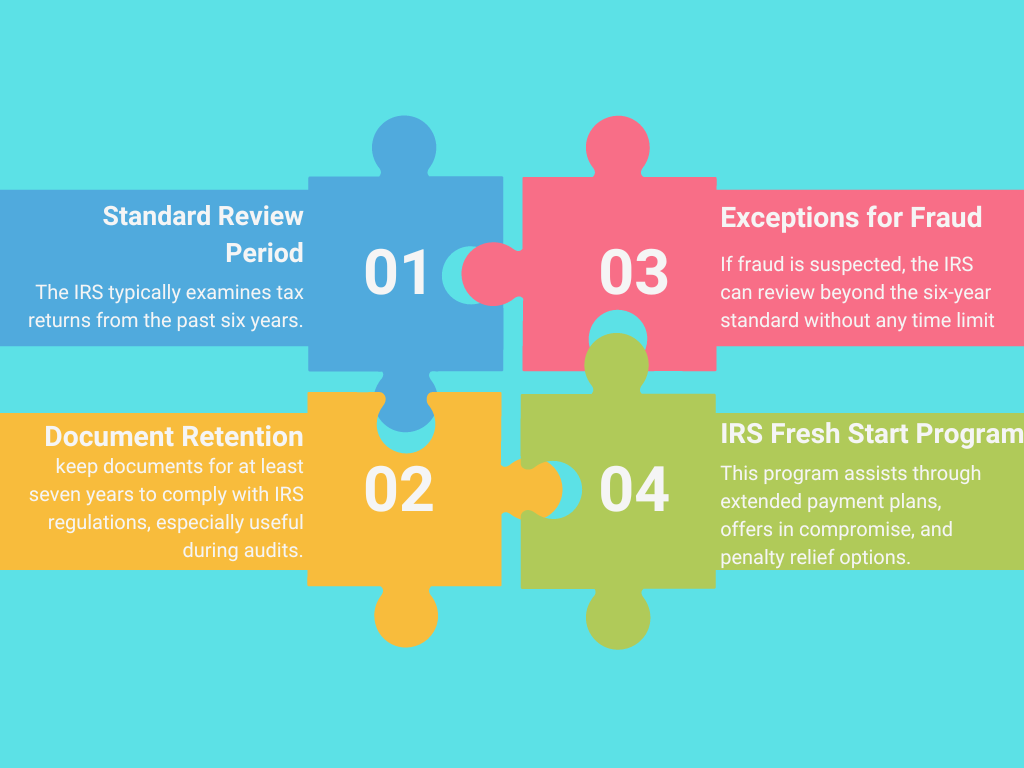
Tax obligation debt compromise programs Tax financial debt occurs when the amount of tax obligations you owe exceeds what you have paid. This scenario typically results from underreporting income, not submitting returns in a timely manner, or inconsistencies located during an IRS audit. The effects of accumulating tax financial obligation are major and can include tax liens, which give the IRS a lawful insurance claim to your building as protection for the debt.
Higher rates of interest on readily available credit report. Earnings and Bank Accounts IRS can levy (confiscate) salaries and bank accounts to please the financial debt. Lowered earnings and interruption of important economic procedures. Property Seizure In severe cases, the IRS can seize and market building to cover the financial obligation. Loss of useful properties and potential displacement.
Social Preconception Encountering legal action from the Internal revenue service can bring social stigma. Work Opportunities A poor credit rating rating due to tire financial obligation can restrict work chances. Federal government Advantages Tax obligation debt might affect qualification for federal government benefits, such as Social Protection and Medicaid.
Chapter 13 Essentials Before Filing for Dummies
The OIC thinks about several factors, including the taxpayer's earnings, expenses, possession equity, and capability to pay. Successfully negotiating an OIC can be intricate, calling for a thorough understanding of the IRS's standards and a solid debate for why your offer lines up with your ability to pay. It is essential to note that not all applications are approved, and the process requires detailed monetary disclosure.
The IRS examines your total economic scenario, including your income, expenditures, possession equity, and capability to pay. You need to likewise be existing with all filing and repayment needs and not be in an open personal bankruptcy proceeding. The internal revenue service additionally considers your compliance background, reviewing whether you have a record of prompt filing and paying tax obligations in previous years.
Facts About Calculating the Cost of Debt Forgiveness Programs Revealed
The application procedure for an Offer in Compromise entails a number of in-depth actions. You need to finish and submit IRS Form 656, the Offer in Compromise application, and Type 433-A (OIC), a collection information statement for individuals. These forms require extensive monetary info, including details regarding your revenue, debts, expenses, and properties.
Back tax obligations, which are unsettled taxes from previous years, can substantially enhance your complete IRS debt otherwise addressed quickly. This debt can accumulate passion and late repayment charges, making the initial quantity owed much larger over time. Failure to repay tax obligations can lead to the IRS taking enforcement activities, such as issuing a tax obligation lien or levy versus your residential property.
It is necessary to address back taxes as soon as possible, either by paying the total owed or by organizing a layaway plan with the internal revenue service. By taking proactive actions, you can avoid the buildup of added passion and penalties, and avoid extra aggressive collection activities by the internal revenue service.
One usual reason is the belief that the taxpayer can pay the total either as a swelling amount or with a layaway plan. The IRS likewise takes into consideration the taxpayer's earnings, expenditures, property equity, and future earning capacity. If these factors indicate that the taxpayer can pay for to pay greater than the provided quantity, the IRS is most likely to deny the deal.
The Greatest Guide To Unsecured Debt Financial counseling for veterans in North Carolina who feel trapped by credit card debt Demystified
Dealing with Internal revenue service debt can be complicated and challenging. Tax professionals, such as CPAs, tax obligation lawyers, or signed up representatives, can supply vital help.

Table of Contents
Latest Posts

Monetary Consequences What You'll Pay for Bankruptcy Counseling Fundamentals Explained
Everything about No-Cost Informational Can You Remove Collections from Your Credit Report Without Paying? : APFSC Workshops Available to You
/images/2025/11/17/how_does_debt_settlement_work_.png)
The Only Guide for Finding Support for Your Budgeting After Bankruptcy: How Counselors Help You Build a Fresh Start Plan Journey
More
Latest Posts
Monetary Consequences What You'll Pay for Bankruptcy Counseling Fundamentals Explained
The Only Guide for Finding Support for Your Budgeting After Bankruptcy: How Counselors Help You Build a Fresh Start Plan Journey